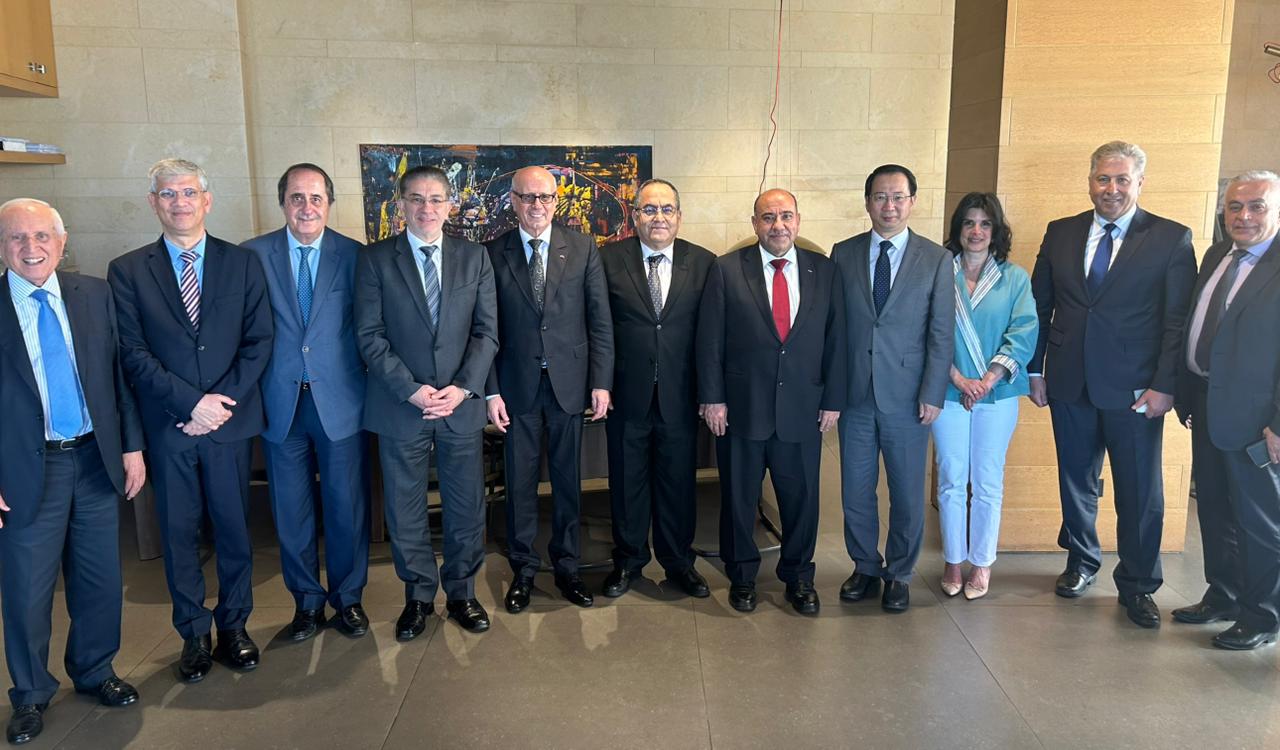


“Ali Mahmoud El Abdallah at the annual diplomatic meeting: On the rock of our national unity and Arab solidarity, the enemy will be broken and the land will be liberated.”
“Ali Mahmoud El Abdallah at the annual diplomatic meeting:
On the rock of our national unity and Arab solidarity, the enemy will be broken and the land will be liberated.
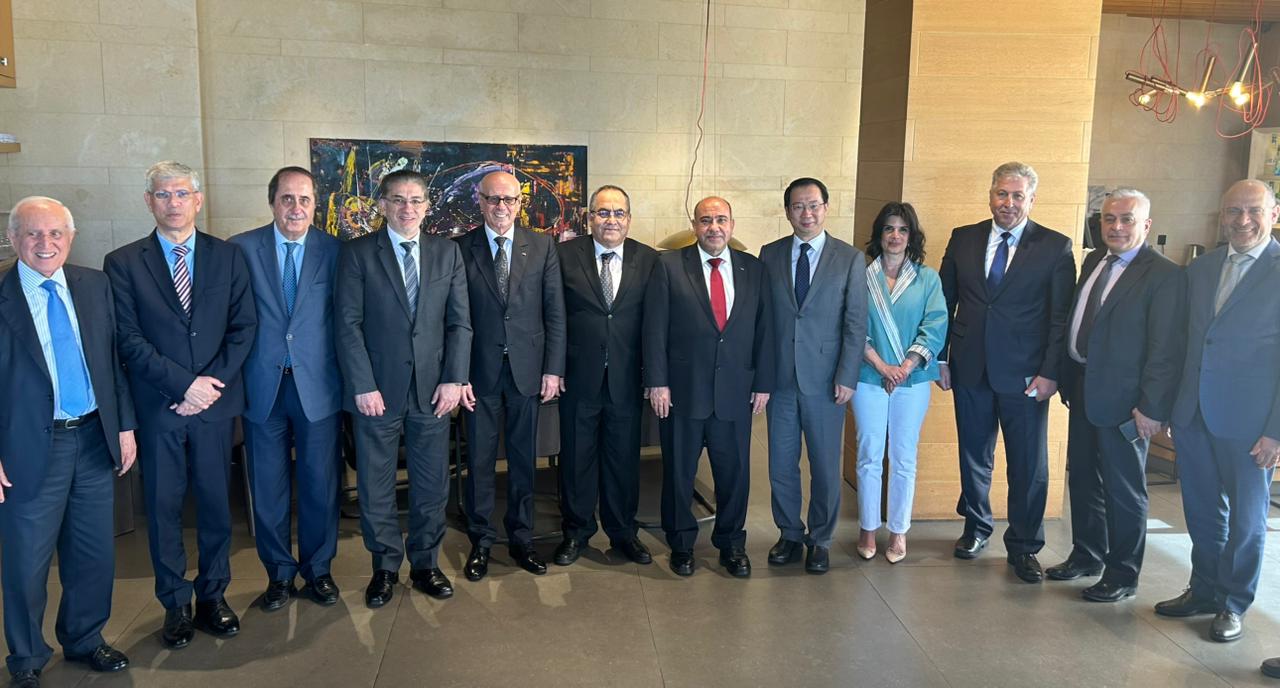
Beirut, May 13, 2026 – The Chairman of AMACO Group, Ali Mahmoud Al-Abdallah, said that Lebanon’s national unity and Arab solidarity are the secret behind its resilience in the face of major challenges. During yesterday’s reception of a number of political, diplomatic, security, and economic figures at the “Annual Diplomatic Meeting,” he stated:
“Lebanon is an inseparable part of the Arab world, and whatever affects Arab countries affects Lebanon as well. We are going through an extremely difficult phase because of the Israeli aggression, but we will remain steadfast and we will prevail. Whoever does not learn from history has no future. I say with complete confidence: on the rock of our national unity and Arab solidarity, the enemy will be broken and the land will be liberated.”
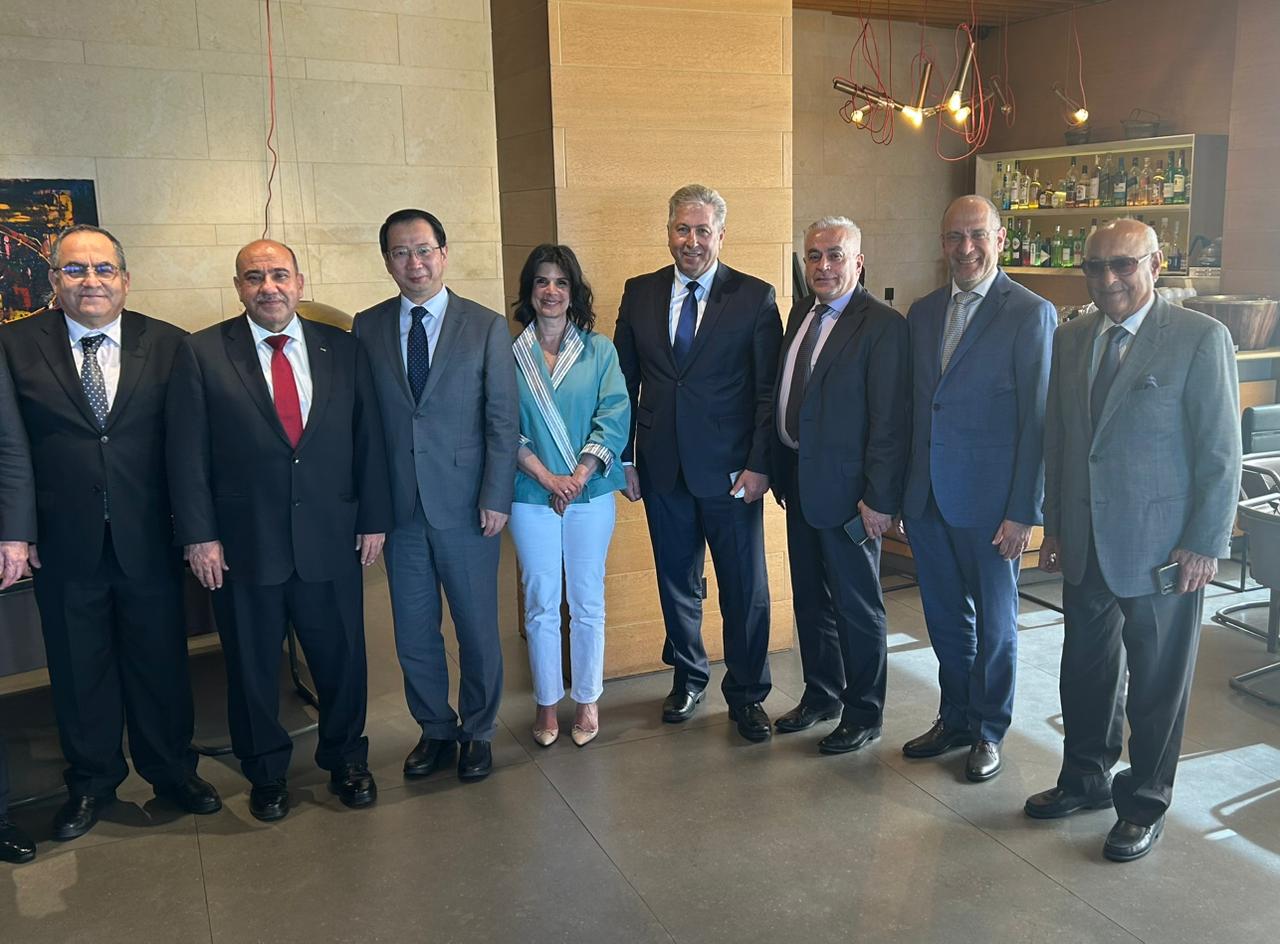
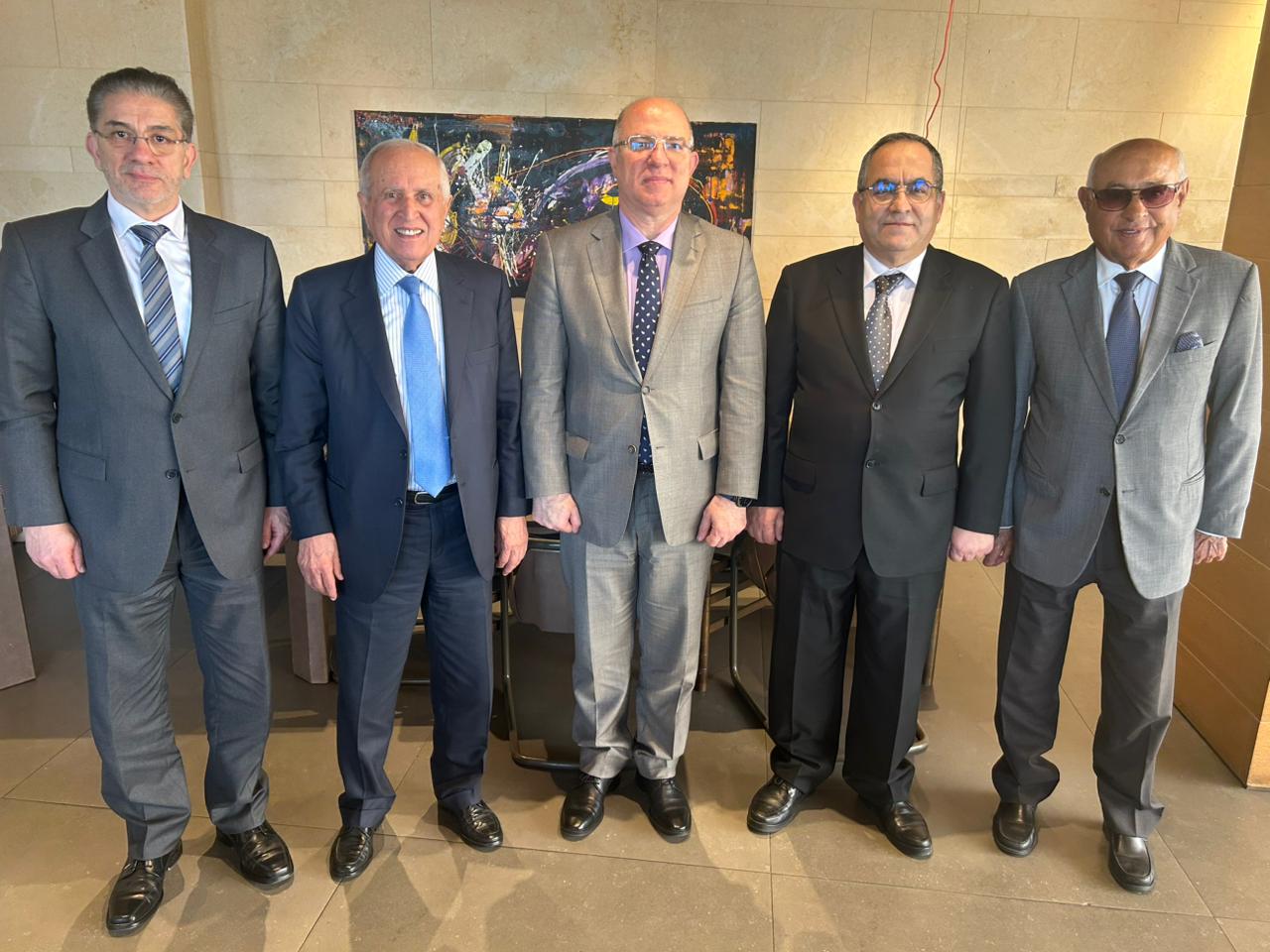
Among those attending the meeting were Minister of Labor Dr. Mohammad Haidar; Chinese Ambassador Chen Chuandong; Moroccan Ambassador Mohammad Akrin; Pakistani Ambassador Salman Athar; Jordanian Ambassador Walid Al-Hadid; diplomatic adviser to the President Michel de Chadarévian; Director of Protocol at the Ministry of Foreign Affairs Ambassador Rola Noureddine; Director General of the Ministry of Industry Adel Al-Shabab; Chairman of IDAL Dr. Majed Mneimneh; President of the Chamber of Commerce, Industry and Agriculture in Sidon and the South Mohammad Saleh; Brigadier Moussa Krenib, head of the Security of Embassies, Administrations, and Public Institutions Unit within the Internal Security Forces; Raouf Abou Zaki, Chairman of Al Iktissad Wal Aamal Group; Mr. Majid Jumblatt; and other figures.
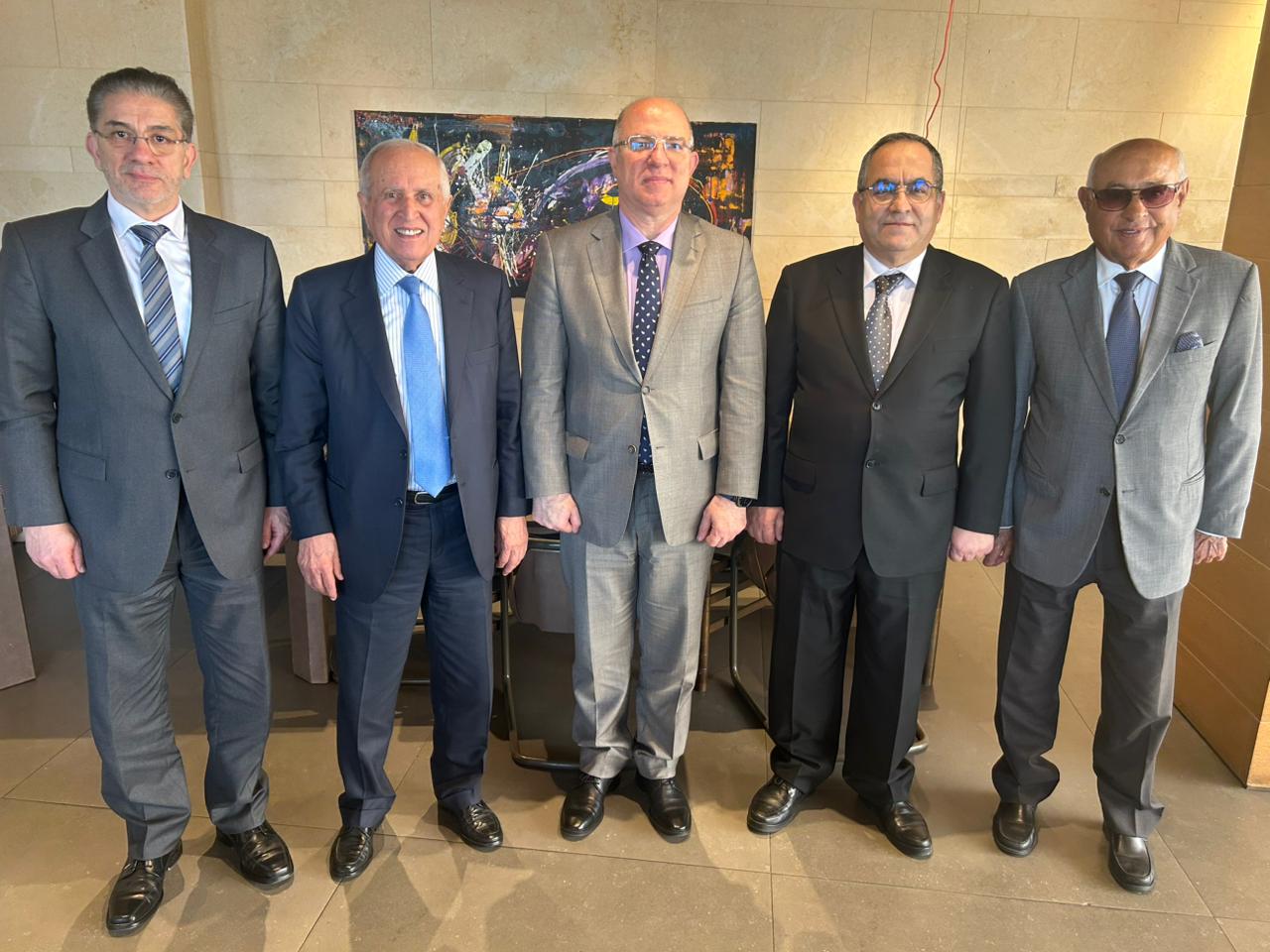
After the meeting, Ali El Abdallah said:
“In these critical days, as wars of extermination, armed conflicts, and economic unrest prevail in our region and around the world, internal unity and Arab solidarity are Lebanon’s natural shelter — especially amid the historic challenges Lebanon is facing, where Israel continues its terrorism, occupation, and destruction, attempting to undermine the foundations of life in many villages, towns, and cities.
In this atmosphere overshadowed by dark clouds, we call for preserving our Arab solidarity, strengthening our internal unity to the greatest extent possible, and enhancing our relations with sisterly and friendly countries such as China, which believes in cooperation, openness, and coordination, and works tirelessly to promote dialogue among all nations.
China has a major role in achieving global stability through its balanced foreign policy, and it is an economic and developmental partner we trust. China represents a global power capable of promoting stability around the world through its international policy based on dialogue, openness, and shared growth. Through the anticipated summit between the Chinese and American presidents, the world looks forward to dialogue that could lead to peace and growth in all fields. Chinese-American understandings, if achieved, may also help bring stability to conflict-ridden regions such as the Middle East.”
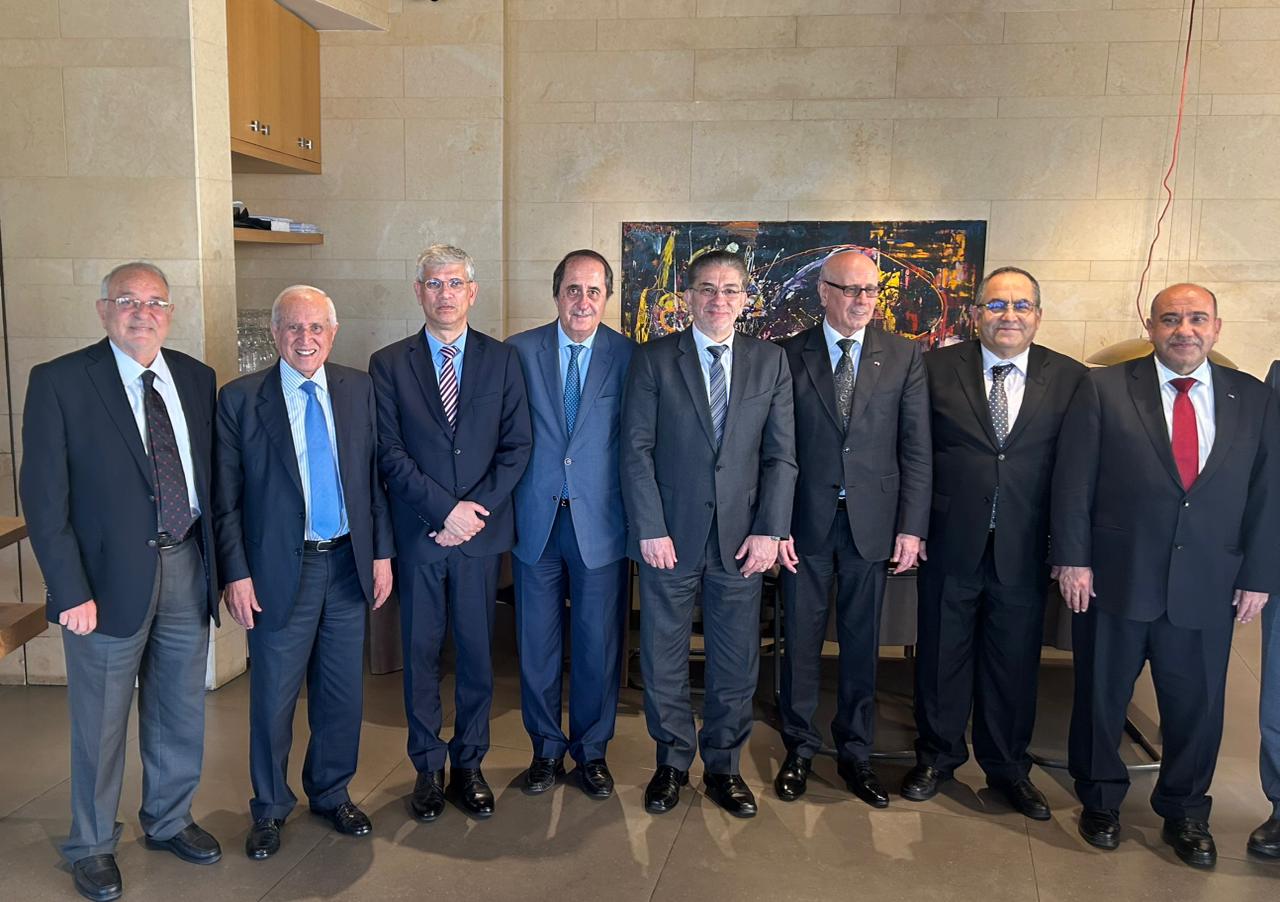
EL Abdallah added:
“This is an opportunity for me to extend my gratitude to our friend, the Pakistani Ambassador Salman Athar, for the essential role his country plays in calming conflicts and bringing viewpoints closer together. Pakistan is not merely a passing mediator in the Iranian-American negotiations; it is a country with significant geopolitical and moral weight in our region.
Pakistan also possesses a unique position and capability, supported by its current membership in the United Nations Security Council, its strategic relations with China, and its balanced ties with Washington, Tehran, and Arab countries, foremost among them the Kingdom of Saudi Arabia. This unique position enables Pakistan to open closed channels of dialogue and deliver messages that no other party can convey.
In Lebanon, we are closely following Pakistan’s intensive efforts to stop the war on Lebanon, and we know that Pakistani diplomacy works quietly and effectively behind the scenes. Pakistan is currently the only country bringing Iranian and American leaders together at a table for indirect dialogue, and it is capable of transforming understandings into real commitments.
Pakistan also has an honorable history of supporting just causes, from Palestine to Lebanon, and it fully understands the meaning and tragedies of occupation, which gives its efforts genuine credibility.”
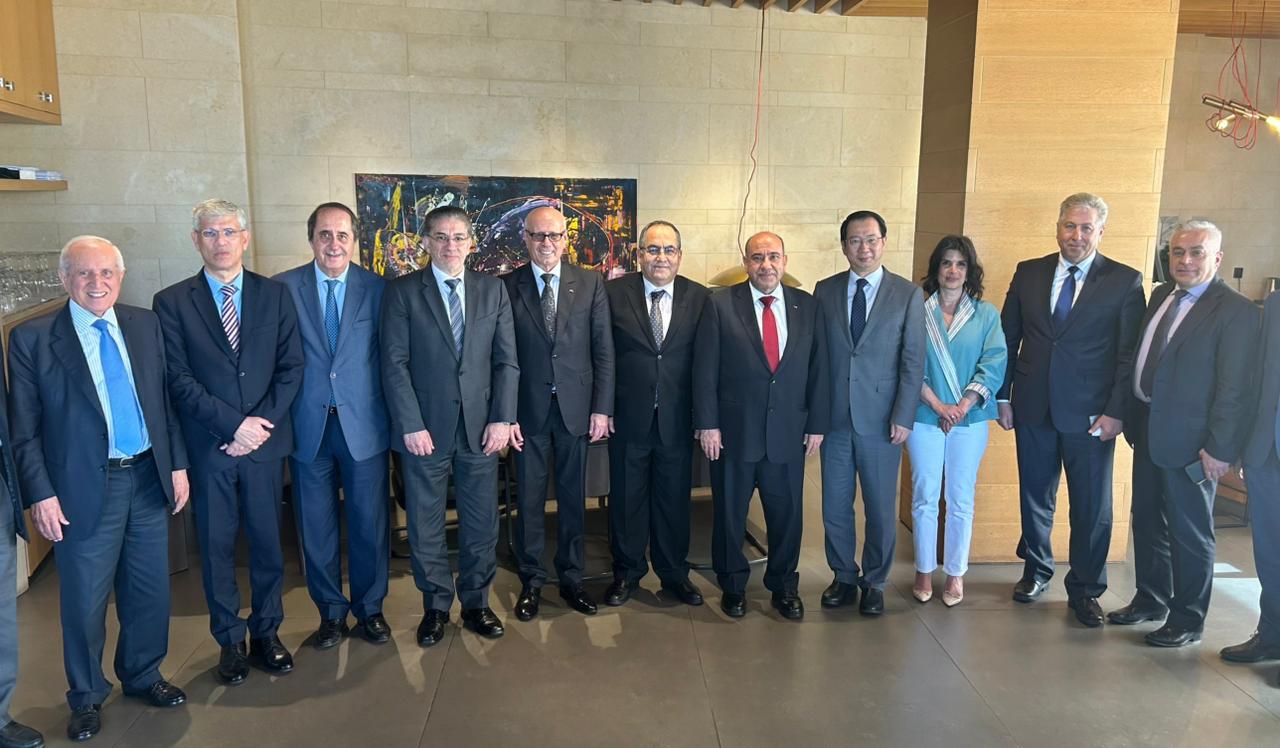
He continued:
“As Lebanese, when we look at our history, we find that Lebanon does not fall because of external aggression; rather, it falls when our divisions govern us. We must not forget that our divisions during the civil war turned our country into an arena for settling scores among major powers and for fighting others’ wars on our land, transforming us into a permanent hotspot of tension.
We all remember how the internal fighting in the 1970s paved the way for the Israeli invasion of Beirut, and how the sharp divisions following the assassination of Prime Minister Rafik Hariri plunged us into successive crises that exhausted the economy, the army, and state institutions.
Israel understands the Lebanese situation very well, and today, just as in the past, it is betting on our internal fractures to implement its agendas.”
He concluded by saying:
“The Israeli occupation does not distinguish between Muslim and Christian, Druze and Sunni, Shiite and Maronite. It commits massacres, bombs safe homes and places of worship, targets infrastructure, and kills civilians and children regardless of their sectarian identities, because it targets Lebanon as a whole — Lebanon, which Pope Leo XIV described as ‘the land of dialogue and peace.’
Therefore, drawing lessons from our painful history obliges us today, more than ever, to elevate national dialogue above any sectarian considerations, and to transform our political disagreements into honorable national competition, rather than allowing them to become a stab in the back of the الوطن.
Internal unity is not an emotional slogan; it is the only weapon that occupation cannot defeat.”